Cultural Mediators and Refugee Mental Health: Why Lived Experience Matters

Cultural Mediators and Refugee Mental Health: Why Lived Experience Matters

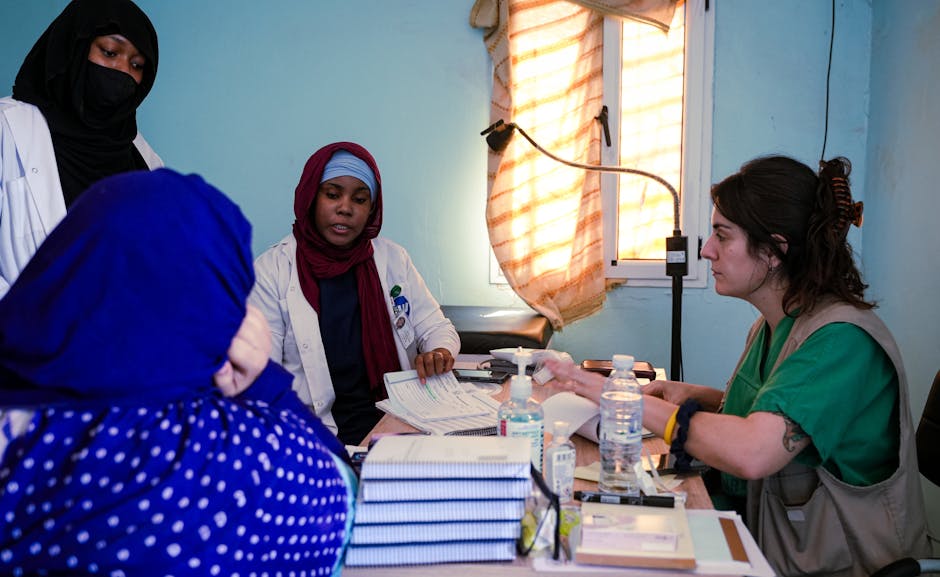
Refugees often face high rates of anxiety, depression and trauma, yet language barriers and cultural differences can prevent them from accessing effective mental‑health care. Cultural mediators—people who share the refugees’ language and cultural background—bridge this gap by translating not only words but also meanings, values and expectations. Their own lived experience of displacement gives them insight into the emotional stakes of the journey. As a result, they can help clinicians interpret symptoms more accurately and support refugees in navigating health…

Read More Read More

Policy and Mental Health Systems: Integrating Scalable Interventions into Refugee Services

Policy and Mental Health Systems: Integrating Scalable Interventions into Refugee Services

Refugees often face heightened risk of mental distress due to displacement, trauma and uncertainty. Within the EU, existing health frameworks can be expanded to include interventions that are both evidence‑based and capable of reaching large numbers of people quickly. Effective integration requires coordination between immigration authorities, public health agencies, and NGOs, alongside funding that supports training, digital tools and culturally appropriate delivery. By aligning policy, funding and service design, scalable mental‑health solutions can become a routine part of refugee reception…

Read More Read More

Refugee & Migrant Mental Health: A Complete Guide to Evidence-Based Psychosocial Support

Refugee & Migrant Mental Health: A Complete Guide to Evidence-Based Psychosocial Support

Refugees and migrants face unique mental health challenges that require accessible, culturally appropriate support. This guide explains what mental health needs are most common in these populations, what evidence-based interventions work, how support is delivered in practice, and what organisations, practitioners, and policymakers need to know to provide effective psychosocial care. What mental health challenges do refugees and migrants face? Refugees and asylum seekers experience higher rates of common mental disorders compared with most other populations. The main challenges include:…

Read More Read More

Training Non-Specialist Facilitators to Deliver Mental Health Support to Refugees: A Practical Guide

Training Non-Specialist Facilitators to Deliver Mental Health Support to Refugees: A Practical Guide

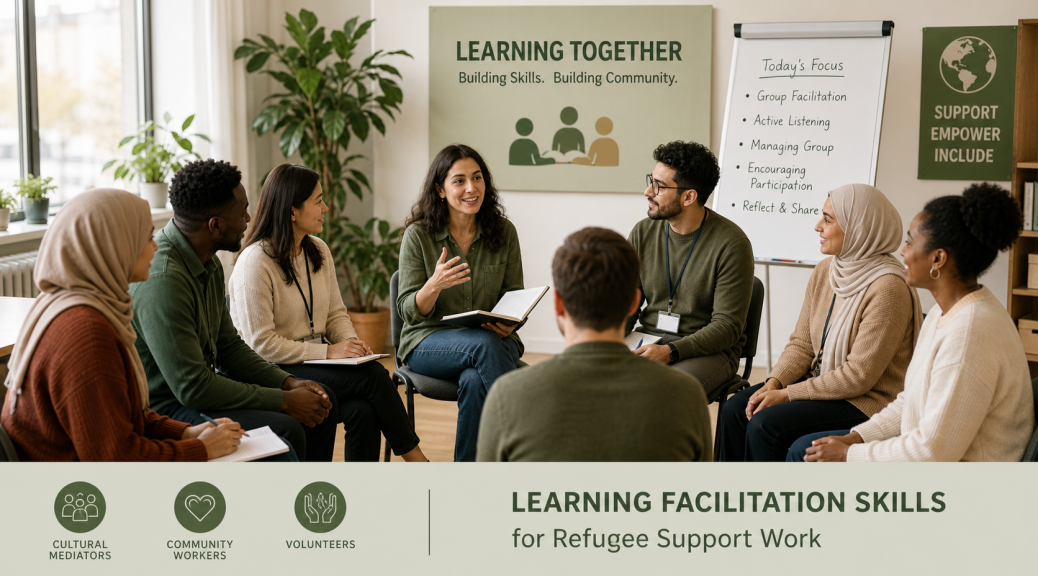
Delivering mental health support to refugees and asylum seekers doesn’t always require specialist mental health professionals. Trained non-specialist facilitators—such as cultural mediators, community workers, or volunteers with a refugee or migrant background—can effectively deliver scalable psychological interventions like Self-Help Plus (SH+). This guide explains who can be trained, what training covers, how facilitators are supported, and what works in practice for organisations working with displaced populations in the UK and Europe. Who can become a non-specialist facilitator? Non-specialist facilitators do…

Read More Read More

Self-Help Plus (SH+): What It Is, Who It Helps, and Why It Still Matters for Refugees and Migrants

Self-Help Plus (SH+): What It Is, Who It Helps, and Why It Still Matters for Refugees and Migrants

Self-Help Plus (SH+) is a WHO-developed psychological intervention designed to reduce stress and prevent common mental disorders in group settings. It combines a self-help book with weekly audio sessions delivered by trained non-specialists, making it suitable for refugees, asylum seekers, and other populations facing high distress but needing accessible care. SH+ does not require mental health specialists and has been tested in large trials showing reductions in psychological distress, disability, and health costs. It remains relevant today because scalable, low-cost…

Read More Read More